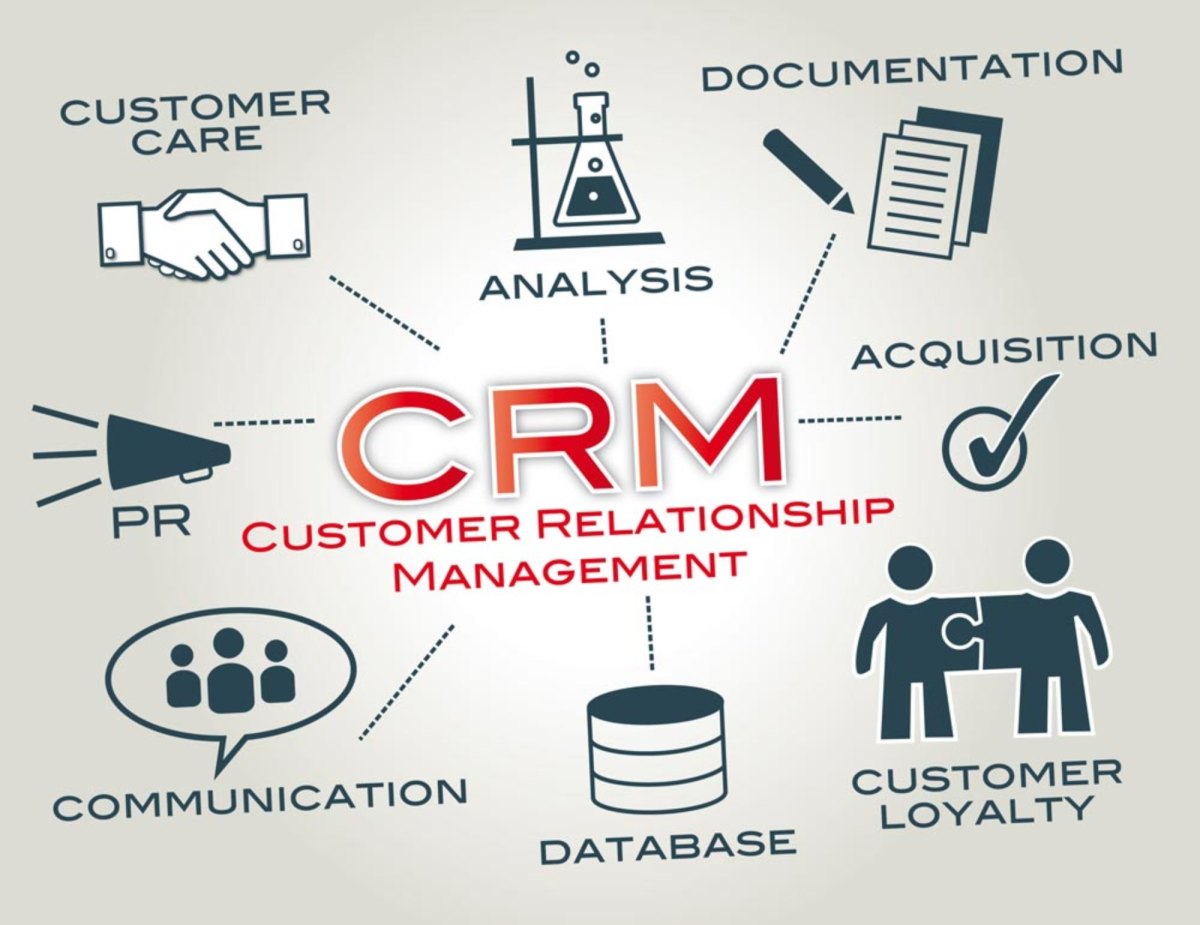
Running a small business is no small feat—especially when it comes to managing customer relationships. That’s where sales CRM software for small business steps in, turning chaos into clarity with just a few clicks.
Why Sales CRM Software for Small Business is a Game-Changer
Small businesses often operate with limited resources, tight budgets, and high expectations. In such an environment, every interaction with a customer counts. A Sales CRM software for small business isn’t just a luxury—it’s a necessity for sustainable growth.


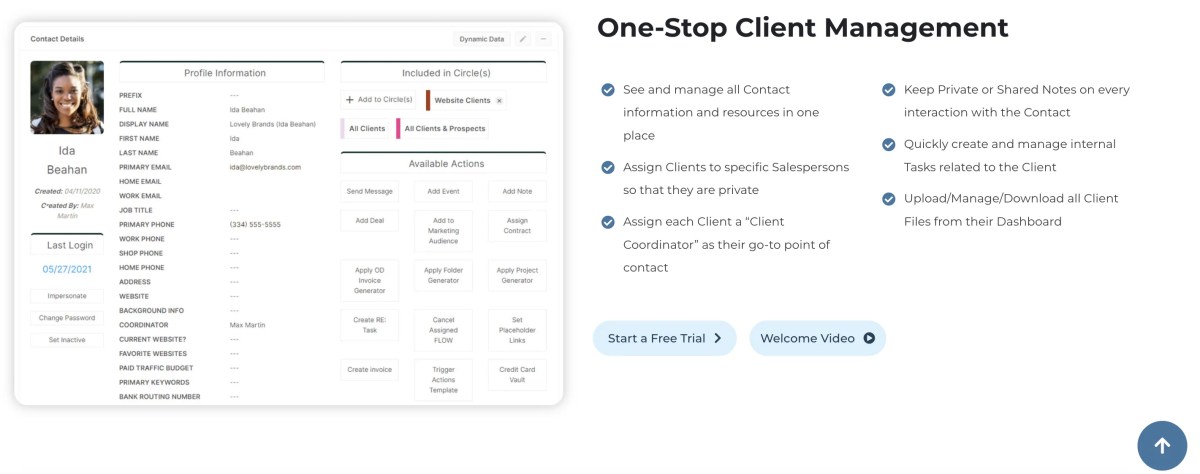
Streamlines Customer Communication
One of the biggest challenges small businesses face is keeping track of customer interactions across emails, calls, texts, and social media. A CRM centralizes all communication, ensuring no message slips through the cracks.
- Automated email tracking and logging
- Integration with Gmail, Outlook, and social platforms
- Real-time updates on customer touchpoints
According to Salesforce, companies using CRM systems see a 41% improvement in customer communication efficiency.
Boosts Sales Team Productivity
Sales reps in small teams often wear multiple hats. CRM software reduces administrative load by automating repetitive tasks like data entry, follow-up reminders, and lead assignment.
- Task automation frees up time for selling
- Custom workflows adapt to your sales process
- Mobile access enables on-the-go updates
“CRM isn’t just about managing contacts—it’s about empowering your team to sell smarter, not harder.” — HubSpot Sales Blog
Top 7 Features to Look for in Sales CRM Software for Small Business
Not all CRM platforms are created equal. For small businesses, the right tool must balance functionality, ease of use, and affordability. Here are the seven most critical features to prioritize.
Lead and Contact Management
At the heart of any CRM is the ability to organize and nurture leads. A robust Sales CRM software for small business should allow you to capture, segment, and track leads from first contact to close.
- Custom fields for lead categorization (e.g., source, industry, budget)
- Duplicate detection to maintain clean databases
- Tagging and filtering for targeted outreach
Tools like Zoho CRM offer AI-powered lead scoring to identify high-potential prospects automatically.
Sales Pipeline Visualization
Understanding where each deal stands in your sales funnel is crucial. A visual pipeline helps teams spot bottlenecks, forecast revenue, and prioritize follow-ups.
- Drag-and-drop interface for easy stage management
- Color-coded deals by value, age, or probability
- Real-time pipeline analytics for quick decision-making
Platforms like Pipedrive excel in this area, offering one of the most intuitive pipeline views on the market.
Automation and Workflow Tools
Automation is the secret sauce behind scalable sales operations. From sending follow-up emails to assigning tasks, automation ensures consistency without manual effort.
- Trigger-based actions (e.g., send email after demo call)
- Multi-step sequences for lead nurturing
- Approval workflows for discount requests or contract reviews
For example, HubSpot CRM allows users to create custom automation workflows without coding.
Best Sales CRM Software for Small Business in 2024
With dozens of options available, choosing the right Sales CRM software for small business can feel overwhelming. Below is a curated list of the top platforms based on usability, pricing, and feature richness.
HubSpot CRM
HubSpot CRM remains a top choice for small businesses due to its powerful free tier and seamless integration with marketing and service tools.
- Free forever plan with full CRM functionality
- Intuitive interface ideal for non-tech users
- Advanced reporting and email tracking
Its ecosystem grows with your business, offering paid upgrades for sales hubs, marketing automation, and customer service.
Salesforce Essentials
Salesforce, the CRM giant, offers a lightweight version called Essentials tailored specifically for small teams.
- Pre-built sales processes for faster onboarding
- Mobile app with offline access
- Integration with G Suite and Microsoft 365
While more expensive than some competitors, its scalability makes it a smart long-term investment.
Pipedrive
Pipedrive is built by salespeople, for salespeople. Its focus on pipeline management makes it ideal for small businesses with active deal flows.
- Visual sales pipeline at the core of the platform
- Activity reminders and goal tracking
- Strong API for custom integrations
It’s particularly popular among startups and consultancies managing complex sales cycles.
How to Choose the Right Sales CRM Software for Small Business
Selecting a CRM isn’t just about features—it’s about fit. The best Sales CRM software for small business aligns with your team size, industry, budget, and growth goals.
Assess Your Sales Process
Before evaluating tools, map out your current sales process. Identify stages like lead capture, qualification, demo, proposal, and closing.
- Document pain points in each stage
- Determine which steps need automation
- Involve your sales team in the assessment
A CRM should reflect your workflow, not force you into someone else’s.
Consider Scalability and Integration
Today’s solution should support tomorrow’s growth. Look for CRM platforms that integrate with tools you already use—like email, calendars, accounting software, and e-commerce platforms.
- Check compatibility with tools like QuickBooks, Shopify, or Mailchimp
- Ensure API access for future customization
- Avoid platforms that lock you into proprietary ecosystems
For instance, Zoho CRM integrates with over 40 Zoho apps and hundreds of third-party services via Zapier.
Evaluate Pricing and Total Cost of Ownership
While many CRMs offer low entry prices, hidden costs can add up. Consider training, customization, add-ons, and support fees.
- Free plans often lack advanced features or user limits
- Per-user pricing can become expensive as teams grow
- Some vendors charge extra for phone support or data migration
Always request a full cost breakdown before committing.
Implementing Sales CRM Software for Small Business: A Step-by-Step Guide
Even the best CRM will fail if not implemented correctly. A structured rollout ensures adoption, minimizes disruption, and maximizes ROI.
Plan and Prepare Your Data
Start by cleaning your existing customer data. Remove duplicates, standardize formats (e.g., phone numbers, addresses), and categorize leads.
- Export contacts from spreadsheets, email, or old systems
- Use data validation tools to ensure accuracy
- Define naming conventions and field requirements
Poor data quality is the #1 reason CRM projects fail, according to Gartner.
Train Your Team Effectively
User adoption is critical. Even the most powerful Sales CRM software for small business is useless if your team doesn’t use it.
- Conduct hands-on training sessions
- Create quick-reference guides and video tutorials
- Appoint a CRM champion to answer questions
HubSpot Academy offers free CRM training courses that can accelerate onboarding.
Start Small and Scale Gradually
Instead of migrating all data and processes at once, begin with core functions like contact management and pipeline tracking.
- Launch with one department or sales rep as a pilot
- Collect feedback and refine workflows
- Expand features and users over 4–8 weeks
This phased approach reduces resistance and increases long-term success.
Sales CRM software for small business – Sales CRM software for small business menjadi aspek penting yang dibahas di sini.
Common Mistakes to Avoid When Using Sales CRM Software for Small Business
Many small businesses invest in CRM only to see minimal returns. Often, the issue isn’t the software—it’s how it’s used.
Over-Customizing Too Early
While customization is powerful, building complex workflows and fields before understanding the platform leads to confusion.
- Stick to default settings in the first 30–60 days
- Only customize what solves a real problem
- Avoid creating redundant fields or duplicate views
Resist the urge to make the CRM “perfect” on day one—evolve it over time.
Neglecting Data Hygiene
CRMs become outdated quickly if not maintained. Incomplete records, stale leads, and incorrect notes erode trust in the system.
- Schedule monthly data audits
- Assign ownership of record updates to team members
- Use automation to flag inactive contacts
“A CRM is only as good as the data inside it.” — Forbes
Ignoring Analytics and Reporting
Many small businesses set up a CRM but never use its reporting features. This means missed opportunities to improve performance.
- Review weekly sales activity reports
- Track conversion rates by stage
- Identify top-performing reps and replicate their strategies
Use dashboards to make data-driven decisions, not gut feelings.
Future Trends in Sales CRM Software for Small Business
The CRM landscape is evolving fast. Small businesses that stay ahead of trends can gain a competitive edge.
AI-Powered Sales Assistants
Artificial intelligence is no longer just for enterprise. Modern CRM platforms now include AI features like predictive lead scoring, email suggestions, and sentiment analysis.
- HubSpot’s AI tools draft personalized emails
- Salesforce Einstein predicts deal closure likelihood
- Pipedrive uses AI to recommend next actions
These tools help small teams act like large, data-driven organizations.
Mobile-First CRM Experiences
With more sales happening remotely, mobile CRM access is essential. The best Sales CRM software for small business offers robust mobile apps with offline capabilities.
- Update deals from client meetings
- Receive push notifications for urgent tasks
- Synchronize data seamlessly across devices
Platforms like Zoho CRM and Salesforce lead in mobile functionality.
Integration with Communication Platforms
CRMs are merging with communication tools like Slack, WhatsApp, and Zoom. This creates a unified workspace where sales conversations and data live together.
- Log WhatsApp messages directly to contact records
- Start Zoom calls from within the CRM
- Receive Slack alerts for deal stage changes
This trend reduces context switching and improves responsiveness.
Measuring the ROI of Your Sales CRM Software for Small Business
Investing in CRM should yield measurable returns. To evaluate success, track key performance indicators before and after implementation.
Sales Cycle Length
A well-implemented CRM often shortens the sales cycle by improving follow-up consistency and visibility into deal progress.
- Compare average days to close pre- and post-CRM
- Identify stages where delays occur
- Use automation to reduce lag between steps
Many businesses report a 10–30% reduction in cycle time within six months.
Conversion Rates
With better lead tracking and nurturing, conversion rates from lead to customer typically improve.
- Track conversion by source, campaign, or rep
- Use CRM insights to refine targeting
- Implement A/B testing for outreach messages
According to Nucleus Research, CRM delivers an average $8.71 return for every dollar spent.
Customer Retention and Lifetime Value
CRM isn’t just for acquiring new customers—it’s vital for retaining them. Track repeat purchases, upsell rates, and support interactions.
- Set up post-sale follow-up sequences
- Monitor customer satisfaction scores
- Identify at-risk accounts for proactive outreach
Increasing customer retention by 5% can boost profits by 25–95%, per Harvard Business Review.
What is the best Sales CRM software for small business under $20/user/month?
HubSpot CRM offers a powerful free plan, while Zoho CRM starts at $14/user/month with robust features. Pipedrive’s Essential plan is $14.90/user/month and ideal for sales-focused teams. All three are excellent choices for budget-conscious small businesses.
Can I migrate my existing customer data to a new CRM?
Yes, most CRM platforms support data import via CSV or Excel files. Some, like Salesforce and HubSpot, offer migration tools or services. Always clean your data first to avoid duplicates and errors.
Do I need technical skills to use Sales CRM software for small business?
No. Modern CRMs are designed for non-technical users with drag-and-drop interfaces, pre-built templates, and intuitive navigation. Free training resources from vendors also make onboarding easy.
How long does it take to implement a CRM in a small business?
Typically 2–8 weeks, depending on data complexity and team size. A phased rollout—starting with core features—helps ensure smooth adoption and minimizes disruption.
Is cloud-based CRM safe for small businesses?
Yes. Reputable CRM providers use enterprise-grade security, including encryption, multi-factor authentication, and regular audits. Cloud CRM is often more secure than on-premise systems, especially for small businesses without dedicated IT teams.
Choosing and implementing the right Sales CRM software for small business can transform how you manage relationships, close deals, and grow revenue. From HubSpot’s free tier to Salesforce’s scalability, the options are vast—but the key is alignment with your unique needs. Avoid common pitfalls like poor data hygiene and over-customization. Focus on adoption, training, and continuous improvement. With the right strategy, your CRM becomes more than a tool—it becomes the central nervous system of your sales operation. Stay ahead by embracing AI, mobile access, and seamless integrations. Measure ROI through shorter sales cycles, higher conversions, and stronger customer loyalty. In today’s competitive landscape, a smart CRM isn’t optional—it’s essential.
Sales CRM software for small business – Sales CRM software for small business menjadi aspek penting yang dibahas di sini.
Further Reading: